Understanding PSI and Flow Rate Before You Hire a Cleaner
When booking exterior cleaning for a residential or commercial property in Geelong, most property owners focus on the quote price and the contractor's availability. However, the technical capabilities of the equipment used can mean the difference between a pristine clean and irreversible property damage. Understanding two fundamental pressure washing metrics— PSI (Pounds per Square Inch) and flow rate (measured in Litres Per Minute, or LPM)—empowers you to hire the right professional for your specific cleaning requirements.
What Is PSI and How Does It Affect Exterior Surfaces?
PSI measures the physical force exerted by the water as it strikes a surface. It represents the "stripping power" of the machine. Different building materials require vastly different pressure levels to lift dirt, algae, and atmospheric soot without compromising structural integrity.
A machine operating at excessive pressure can etch poured concrete, strip the protective sealant from exposed aggregate driveways, gouge soft timber decking, and blow out the historic lime mortar commonly found in older Geelong West and Newtown homes. Conversely, insufficient pressure will fail to dislodge stubborn buildup, such as the lichen and black algae prevalent in the damp winter microclimates across the Bellarine and Greater Geelong region.
The Crucial Role of Flow Rate (LPM)
While PSI receives the most marketing attention, professional exterior cleaners recognise that water flow rate—measured in litres per minute—is the true benchmark of cleaning speed, efficiency, and surface safety. While PSI loosens the bond between grime and the surface, flow rate acts as the conveyor belt that rinses the debris away.

Inexpensive, domestic pressure washers often boast high PSI (e.g., 3,000 to 4,000 PSI) but combine it with a very low flow rate of only 6 to 8 LPM. This forces the operator to hold the wand tip extremely close to the surface, creating high risk for "tiger striping" (uneven, permanent lines etched into concrete). In contrast, commercial-grade equipment used by reputable Geelong operators balances moderate, controlled pressure with high flow rates (typically 15 to 25+ LPM), allowing for faster rinsing without blasting away fragile surfaces.
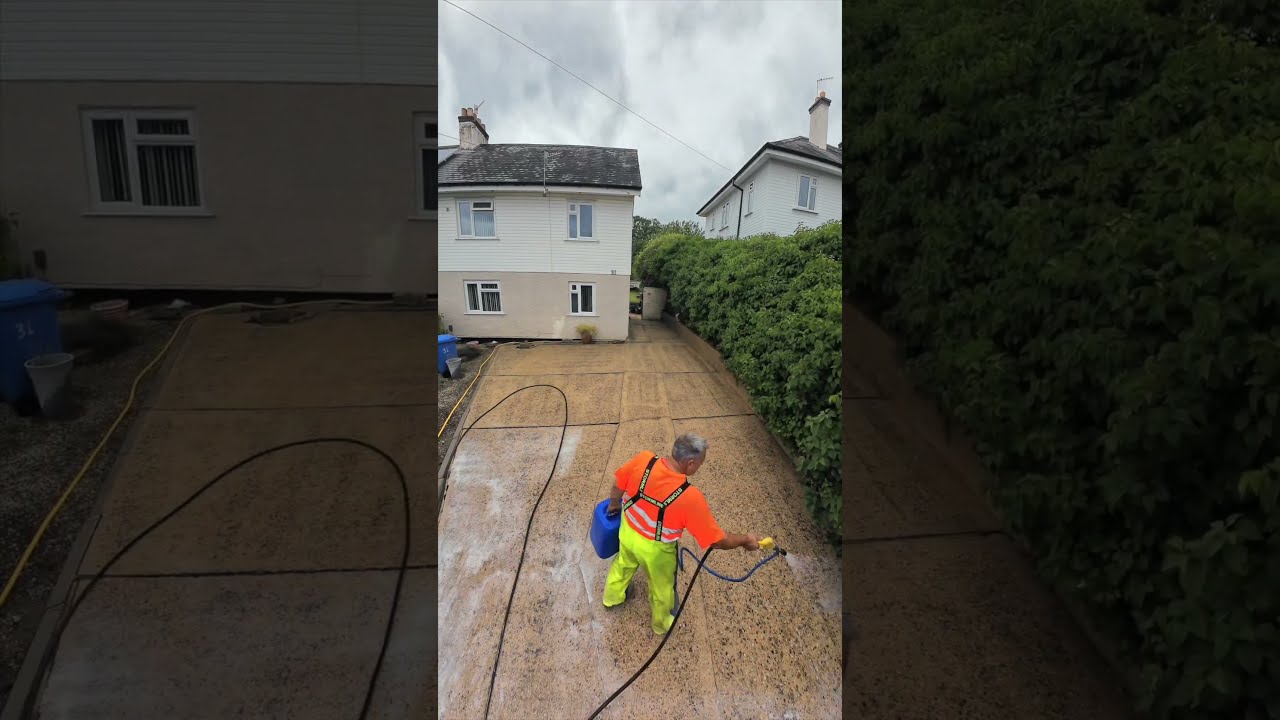
Recommended Pressure and Flow Profiles by Surface Type
A competent cleaning technician selects their pressure and nozzle configurations based on the substrate they are treating. When discussing your project with local service providers, consider how these parameters align with your property's needs:
- Standard Concrete Driveways: Requires 2,500 to 3,000 PSI combined with high flow (15+ LPM) using a dual-nozzle rotary surface cleaner rather than a direct wand tip to ensure an even, stripe-free finish.
- Timber Decking and Cladding: Demands low pressure, rarely exceeding 800 to 1,200 PSI, to prevent "furring" or splintering the wood grain, relying instead on eco-friendly cleaning solutions to lift mildew.
- Rendered Walls and Weatherboards: Best cleaned using dedicated "soft washing" systems, which rely on high volume (12 to 18 LPM) at very low pressure (under 500 PSI) combined with specialised biodegradable detergents.
- Heritage Bluestone and Brickwork: Requires careful pressure calibration (under 1,500 PSI) with appropriate fan nozzles to preserve natural stone patinas and historic mortar joints.
Local Considerations: Geelong Climate and Water Regulations
Properties across Greater Geelong—from coastal areas like Eastern Beach and Ocean Grove to rapidly expanding suburbs like Armstrong Creek—face unique environmental stressors. Salt-laden winds combine with airborne dust and organic growth, creating stubborn mineral crusts and mildew. Effectively clearing these contaminants requires equipment capable of sustained rinsing power rather than raw, uncalibrated force.
Additionally, modern environmental standards and local Barwon Water guidelines require responsible water management. High-flow professional machines might appear to consume more water, but because they clean surfaces up to four times faster than lower-capacity domestic units, the overall water consumption per square metre is significantly lower.
Key Questions to Ask Before Hiring an Exterior Cleaner
Before agreeing to an estimate, verify that your chosen contractor uses equipment calibrated for the job and holds comprehensive insurance covering surface damage:

- Do you adjust your pressure and flow rate for specific building materials? A reputable cleaner should explain their process for soft washing delicate surfaces versus flat-surface cleaning on concrete.
- What is the flow rate (LPM) of your pressure system? Operators using commercial setups will readily provide this figure, demonstrating their investment in professional-grade equipment.
- Do you use dedicated surface cleaners for concrete paving? Direct lance tips on large flat areas often result in visible etching, whereas professional rotary flat-surface cleaners provide balanced coverage.
- Are your cleaning solutions plant- and pet-safe? When soft washing siding or roofs, contractors should neutralise run-off to protect Geelong gardens and local drainage systems.
Protecting Your Property Investment
The https://pastelink.net/gt5ouxxq distinction between high pressure and high flow is the difference between amateur blast cleaning and skilled surface restoration. By verifying that your contractor understands the relationship between PSI and flow rate, you ensure that your Geelong home or commercial building receives a deep, restorative clean that enhances curb appeal while fully preserving the longevity of your exterior materials.
Geelong Pressure Cleaning Pros
(03) 8657 4277