Best Methods for Sanitising Outdoor Dining Patios and Decks
Outdoor dining is a defining part of life in Geelong. From waterfront cafés along Eastern Beach and Corio Bay to pubs, wineries and family restaurants across the Bellarine Peninsula, patios and decks are often the first thing customers notice. They are also some of the hardest-working surfaces in any hospitality venue. Exposed to weather, birds, food spills, spilled drinks and constant foot traffic, outdoor dining areas need a structured sanitising routine to stay safe, welcoming and compliant. This guide explains the best methods for sanitising patios and decks, and how to choose the right approach https://alexisjxea283.image-perth.org/how-often-should-you-clean-your-concrete-driveway-in-geelong for your surface and your venue.
Why Sanitising Outdoor Dining Areas Matters
Cleaning and sanitising are not the same thing. Cleaning removes visible dirt, grease and debris. Sanitising reduces the number of bacteria, viruses and other microorganisms on a surface to a safe level. Outdoor dining spaces need both, because a surface that looks clean can still carry harmful bacteria.
In Victoria, food businesses must maintain premises in a clean and sanitary condition under the Food Act 1984 and the Food Standards Code. Local councils, including the City of Greater Geelong, conduct environmental health inspections, and outdoor dining areas that form part of your food premises can be included in those assessments. Beyond compliance, a well-sanitised patio protects customers, reduces pest attraction, and supports your online reviews and reputation.
Common Contaminants on Patios and Decks
- Bird droppings – a particular issue near the Geelong waterfront, which can carry bacteria such as Salmonella and E. coli.
- Food and drink residue – sugars, fats and proteins that feed bacteria and attract flies, ants and rodents.
- Mould, mildew and algae – common in shaded or damp areas, especially during Geelong's cooler, wetter months.
- Grease and oil – from nearby kitchen exhausts, cooking areas or outdoor BBQs.
- Cigarette butts and general litter – which create hygiene problems and detract from the dining experience.
Step One: Prepare the Area Properly
Effective sanitising begins with preparation. Skipping this stage reduces the effectiveness of any sanitiser, because organic soil such as food and grease neutralises many chemical agents before they can work.
- Clear the space. Remove tables, chairs, umbrellas, planters and décor so every surface can be reached.
- Dry sweep or blow away loose debris. Pay attention to gaps between decking boards, corners and drainage points.
- Pre-treat stains and grease. Apply a suitable degreaser or detergent and allow it to dwell for the manufacturer's recommended time.
- Scrub and rinse. Use a stiff-bristle brush or deck scrubber, then rinse with clean water to remove the loosened soil.
- Apply sanitiser. Once the surface is visibly clean, apply the sanitising product and allow the full contact time.
- Rinse if required and allow to dry. Some sanitisers are no-rinse, while others require a final rinse, particularly on food-contact surfaces.
Best Sanitising Methods for Outdoor Dining Surfaces
1. Pressure Washing with Hot Water
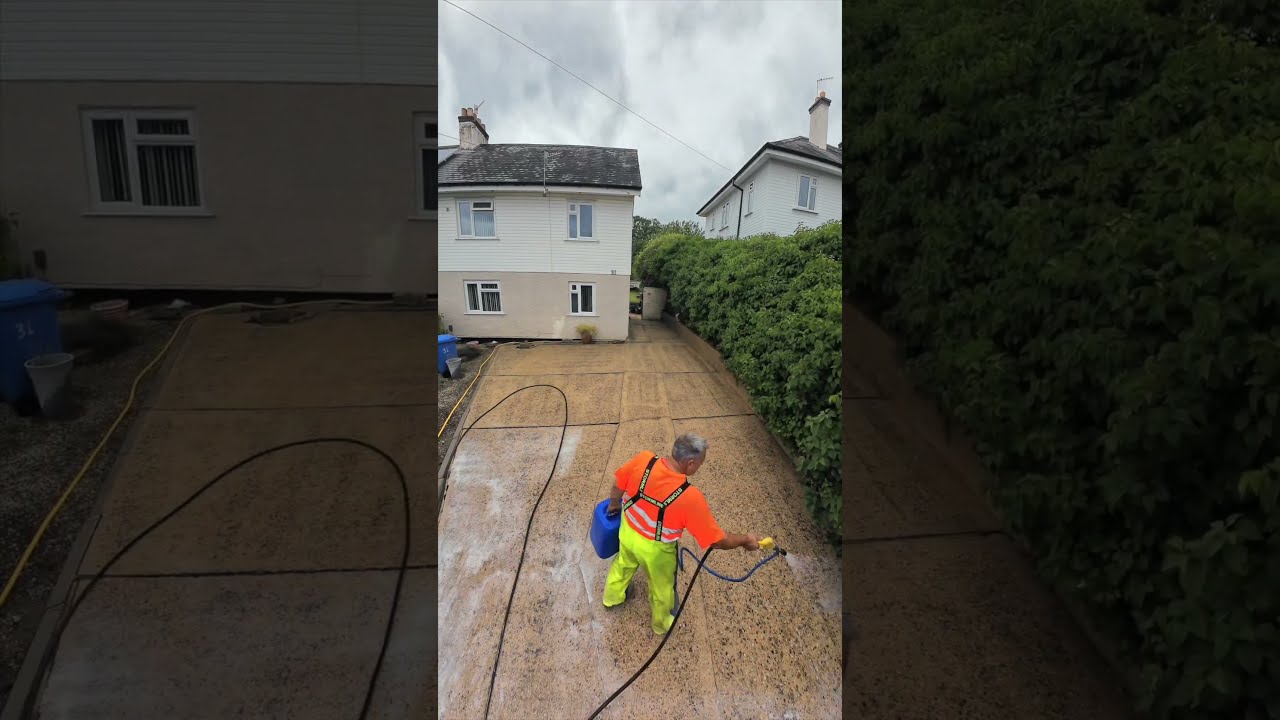
Pressure washing is one of the most effective ways to remove built-up grime from concrete, pavers, tiles and some timber decks. Hot water pressure cleaning is especially valuable for greasy areas because heat breaks down fats and oils far better than cold water. While pressure washing alone does not guarantee sanitisation, it prepares the surface perfectly for a sanitising treatment and removes the organic matter that harbours bacteria.
For timber decks, pressure must be controlled. Too much force can splinter the wood, raise the grain and shorten the life of the deck. Using a wide fan tip and keeping a consistent distance protects the surface.
2. Commercial-Grade Surface Sanitisers
Hospitality venues should use sanitisers that are suitable for commercial food environments. Common options include:
- Quaternary ammonium compounds (quats) – widely used, effective against many bacteria and viruses, and generally gentle on surfaces.
- Sodium hypochlorite (chlorine-based products) – a strong, fast-acting option, but it must be diluted correctly and can damage or discolour some materials and plants.
- Hydrogen peroxide-based products – an effective, lower-residue option that breaks down into water and oxygen.
Always check that the product is registered for its intended use, follow the label for dilution and contact time, and consult the safety data sheet. Never mix different chemicals, particularly bleach with acidic or ammonia-based products, as this can release dangerous gases.
3. Steam Cleaning
Steam cleaning uses high-temperature vapour to loosen dirt and kill many microorganisms without harsh chemicals. It is useful for outdoor furniture, tiled areas, grout lines and tight spaces where bacteria hide. Steam is a good choice for venues that want to reduce chemical use around diners, plants and nearby waterways. It is less practical for very large areas, so it is often combined with other methods.
4. Soft Washing for Mould and Algae
Soft washing uses low pressure combined with specialised biocidal cleaning solutions to kill mould, mildew and algae at the root rather than simply blasting them off. This method suits delicate surfaces such as timber decking, painted surfaces, limestone and older pavers. Because it targets the organisms causing slippery, discoloured patches, results tend to last longer than pressure washing alone, and it also reduces slip hazards.
5. Enzyme-Based Cleaners
Enzyme cleaners break down organic material such as food waste, fats and odour-causing residues. They are particularly useful for bins areas, drains and porous surfaces where regular cleaning struggles to reach. They are not a substitute for a registered sanitiser, but they work well as part of a layered cleaning program.
Matching the Method to Your Surface
Different patio and deck materials respond differently to cleaning products and techniques. Choosing correctly protects your investment.

- Concrete and exposed aggregate: Tolerates pressure washing and most sanitisers. Sealing after cleaning helps prevent stains soaking in.
- Timber decking: Use lower pressure, wood-safe detergents and avoid prolonged exposure to strong chlorine. Re-oil or seal as needed to keep the timber protected.
- Composite decking: Usually cleaned with warm water, mild detergent and a soft brush. Check the manufacturer's guidelines to protect warranty conditions.
- Pavers and natural stone: Avoid acidic cleaners on limestone and some sandstones, which can etch the surface. Test a small area first.
- Tiles: Pay close attention to grout lines, where bacteria and mould collect. Steam or targeted scrubbing works well.
- Outdoor furniture: Wipe tables and chair arms with a food-safe sanitiser between customers and deep clean regularly.
Building a Routine: How Often Should You Sanitise?
Frequency depends on your venue's trading volume, location and weather. As a practical guide:
- Between customers: Wipe and sanitise tables, menus, condiment holders and high-touch points.
- Daily: Sweep, remove litter, spot-clean spills and sanitise high-traffic areas, bins and food-service zones.
- Weekly: Mop or scrub the full dining surface and clean furniture thoroughly.
- Monthly to quarterly: Schedule professional pressure washing or soft washing to remove deep-set grime, mould and algae.
- Annually: Inspect and reseal decks, pavers and concrete as needed.
Geelong's coastal conditions mean salt air, wind-blown debris and seasonal rain can accelerate build-up. Venues close to the bay or exposed to heavy bird activity often benefit from more frequent professional cleaning.
Environmental and Safety Considerations
Responsible cleaning protects both people and the local environment. Wastewater from commercial cleaning can enter the stormwater system, which flows to Corio Bay and local waterways. Under Victorian EPA guidelines, it is an offence to allow pollutants to enter stormwater drains. Where possible, capture wastewater, use biodegradable and low-impact products, and avoid washing chemicals into gutters or garden beds.
Staff should wear appropriate personal protective equipment, including gloves and eye protection, when handling chemicals. Clearly mark wet surfaces and keep customers away from areas being treated until they are fully dry. Slip resistance is also important, so addressing algae and grease build-up is a safety measure as well as a hygiene one.
When to Hire a Professional Cleaning Service
Daily wipe-downs can be handled by your team, but periodic professional sanitising offers real advantages. Professional crews bring commercial-grade equipment such as hot water pressure cleaners, surface cleaners and wastewater recovery systems, along with the knowledge to match methods to each surface. They can also schedule work outside trading hours, so your patio is ready for the next service without disruption.

Look for a provider with experience in commercial hospitality cleaning, appropriate insurance, documented safe work procedures and a clear approach to wastewater management. A reputable local provider will understand Geelong's conditions, from coastal salt and bird activity to the seasonal changes that affect outdoor trading.
Practical Tips to Keep Your Patio Cleaner for Longer
- Install bird deterrents such as spikes or netting where birds regularly perch.
- Provide covered bins and empty them frequently to limit pests.
- Use mats or sealed surfaces in high-spill areas.
- Trim overhanging trees to reduce leaf litter, sap and shade-driven mould.
- Keep a written cleaning schedule and checklist to demonstrate your standards during inspections.
- Seal porous surfaces so spills are easier to remove and less likely to harbour bacteria.
Final Thoughts
Sanitising an outdoor dining patio or deck is more than a quick rinse. The most effective approach combines thorough preparation, the right cleaning method for the surface, a suitable commercial sanitiser applied for the correct contact time, and a consistent schedule that suits your venue. For Geelong hospitality businesses, a clean, hygienic outdoor space protects customers, supports compliance and keeps people coming back. Combining regular in-house cleaning with periodic professional treatment is the most reliable way to keep your patio or deck safe, attractive and ready for service all year round.
Geelong Pressure Cleaning Pros
(03) 8657 4277